
Veterinary treatment table configurator: translate the room-use brief into an equipment configuration
A veterinary table configurator should help a practice communicate its equipment preferences clearly. The visual discussion is about the product arrangement and room relationship, rather than a claim about clinical outcomes.
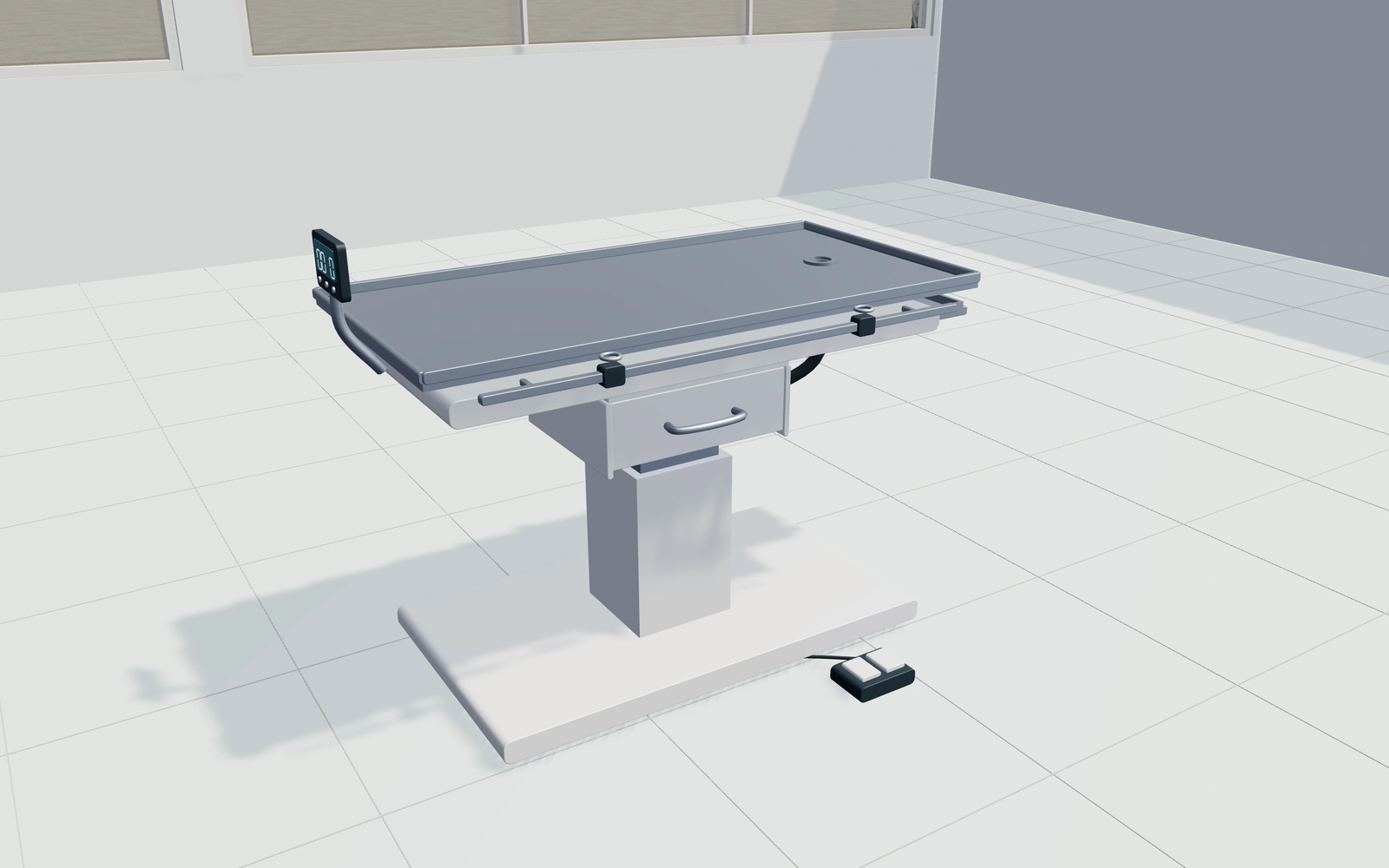
Translate the room-use brief into an equipment configuration
Review the selected tabletop and support arrangement from the staff’s working side. Identify required fittings and the space around the table for movement and cleaning. Keep the practice’s intended use and the actual room measurements with the project for the supplier conversation.
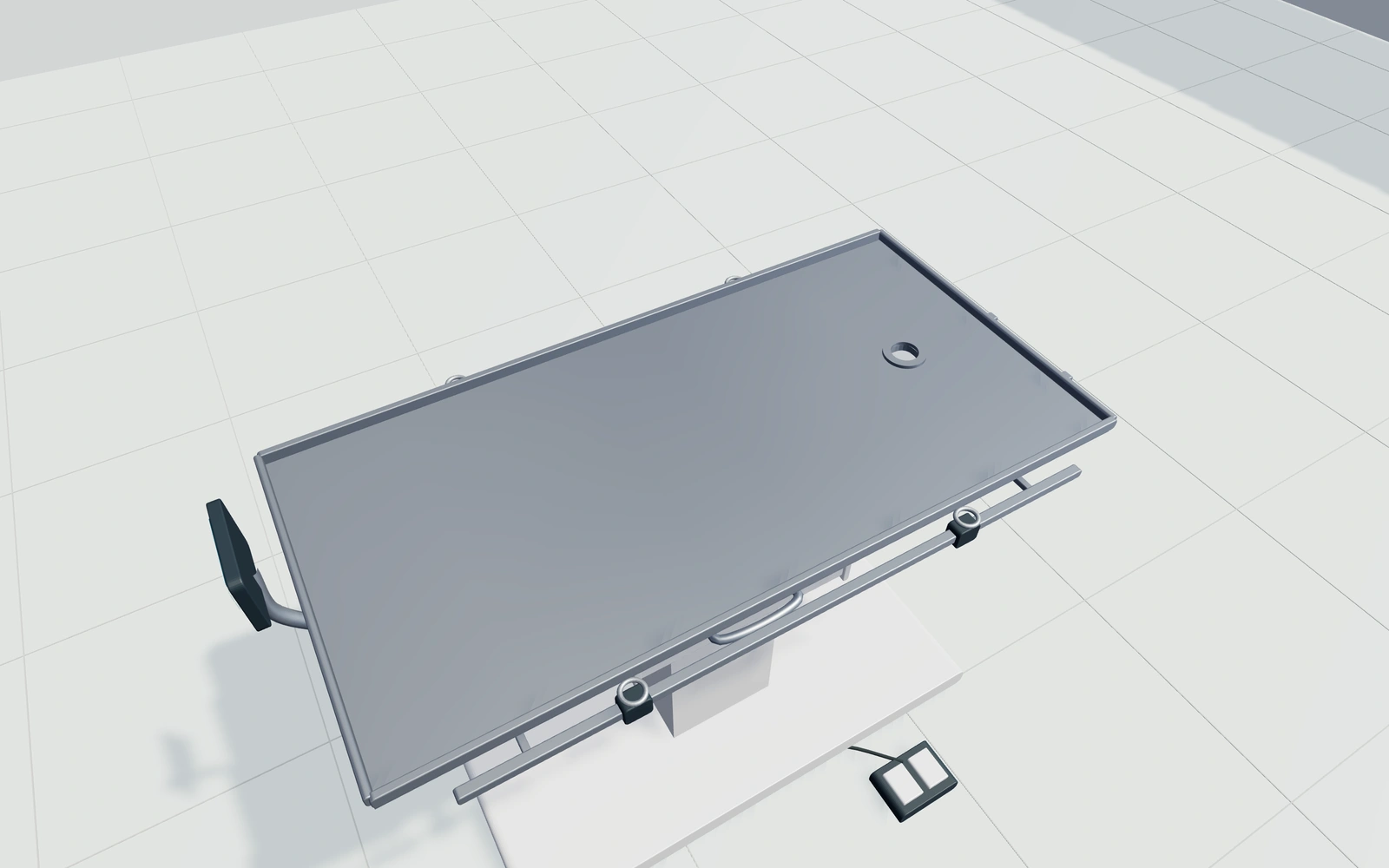
A tabletop preference or a different support arrangement?
Compare the table from the staff’s working side and keep the intended use explicit. Accessories and cleaning access should be reviewed before finish. A visual equipment choice must not be used to infer clinical suitability or the certification of a product that has not been specified by its manufacturer.
Compare the work surface with the support arrangement
A stainless tray, upholstered examination pad and non-slip polymer top describe different equipment preferences. Review the selected surface with pedestal or scissor-style support visible. Keep operator approach and any side tray in the same view rather than focusing only on the tabletop finish.
Record the actual intended use and accessories for the clinic’s equipment supplier. The model explains visible layout and material preferences, while load, movement and clinical suitability belong to the supplied specification. List installation and any service requirements separately from the visual table package.
Veterinary treatment tables options to compare
Review the selected model before refining individual details. Available choices can change with the model and earlier selections; the groups below describe the current starting configuration.
Dimensions
- Worktop length
- 1000–1600 mm in the current model
- Worktop width
- 550–800 mm in the current model
Base
- Lifting structure
- Telescoping pedestal
- Twin scissor mechanism
- Mobile castors with brakes
- Include or omit
Materials
- Base finish
- Warm white
- Deep blue
- Stainless
- Work surface
- Stainless tray
- Upholstered examination pad
- Non-slip polymer
Fittings
- Recessed drain and hose
- Include or omit
- Integrated scale display appearance
- Include or omit
- Accessory side rails
- Include or omit
- Sliding restraint eyes
- Include or omit
Accessories
- Instrument tray
- Include or omit
- Tray side
- Left
- Right
- Telescoping IV pole
- Include or omit
- Under-table supply drawer
- Include or omit
Controls
- Wired foot control
- Include or omit
- Hand control pendant
- Include or omit
Dimension ranges describe the current model controls. Confirm the selected product, final measurements and supplied specification with the manufacturer.
Worked example: a customer brief for veterinary treatment tables
For a practice equipment discussion, save the preferred arrangement and record required fittings and room constraints. The proposal can identify the table and accessories, with manufacturer specifications and purchasing requirements checked by the responsible practice team.
From veterinary treatment tables choices to a clear proposal
Describe the selected table and accessories as separate proposal items where appropriate. Manufacturer specifications, suitability and any required certification must be checked for the actual supplied equipment. This keeps an appearance or layout comparison distinct from a clinical or regulatory purchasing decision.
Questions for your veterinary treatment tables review
- Intended equipment use
- Working-side access
- Required accessories
- Manufacturer specification
Useful views for the veterinary treatment tables review
Use these inspection views to discuss the arrangement and visible details before approving the specification.
- Work surface, rails and fittings
- Lift mechanism and pedal
- Instrument tray and accessories
Veterinary treatment tables configurator FAQs
Can the preview establish a clinical outcome?
No. It communicates an equipment configuration. Clinical suitability and actual product requirements must be determined through the practice and manufacturer review.
What should the clinic specify beyond the table finish?
Record the intended use, working arrangement and required accessories for supplier review. Check operator access around the chosen base. Keep actual load, movement and clinical requirements separate from the visual model so the proposal identifies equipment rather than promising a treatment outcome.
Put the choices
in the same view.
Explore the veterinary treatment tables configurator, review the available product options and discuss your own range with our team.