
Mobile clean in place skid configurator: keep tank, connection and service choices in one brief
A clean-in-place skid configuration can help a customer communicate an equipment layout without reducing the specification to a tank count. The arrangement of pumps, connections and service access also needs a readable place in the discussion.
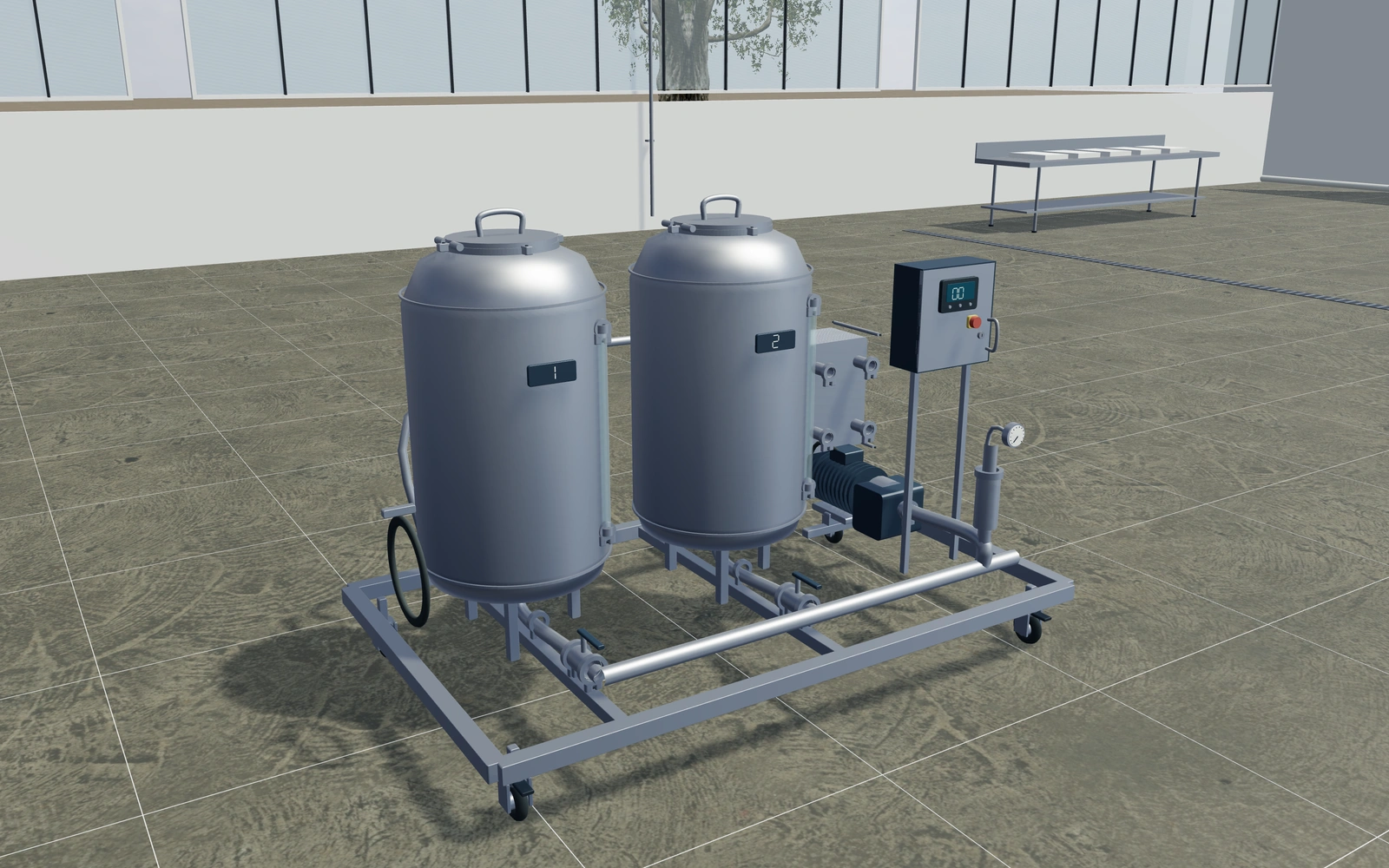
Keep tank, connection and service choices in one brief
Compare the selected tanks and support arrangement, then inspect the pump and exchanger references. Review manway access, valves and the service cabinet from the operator’s side. Record how the skid is intended to connect to the customer’s plant.
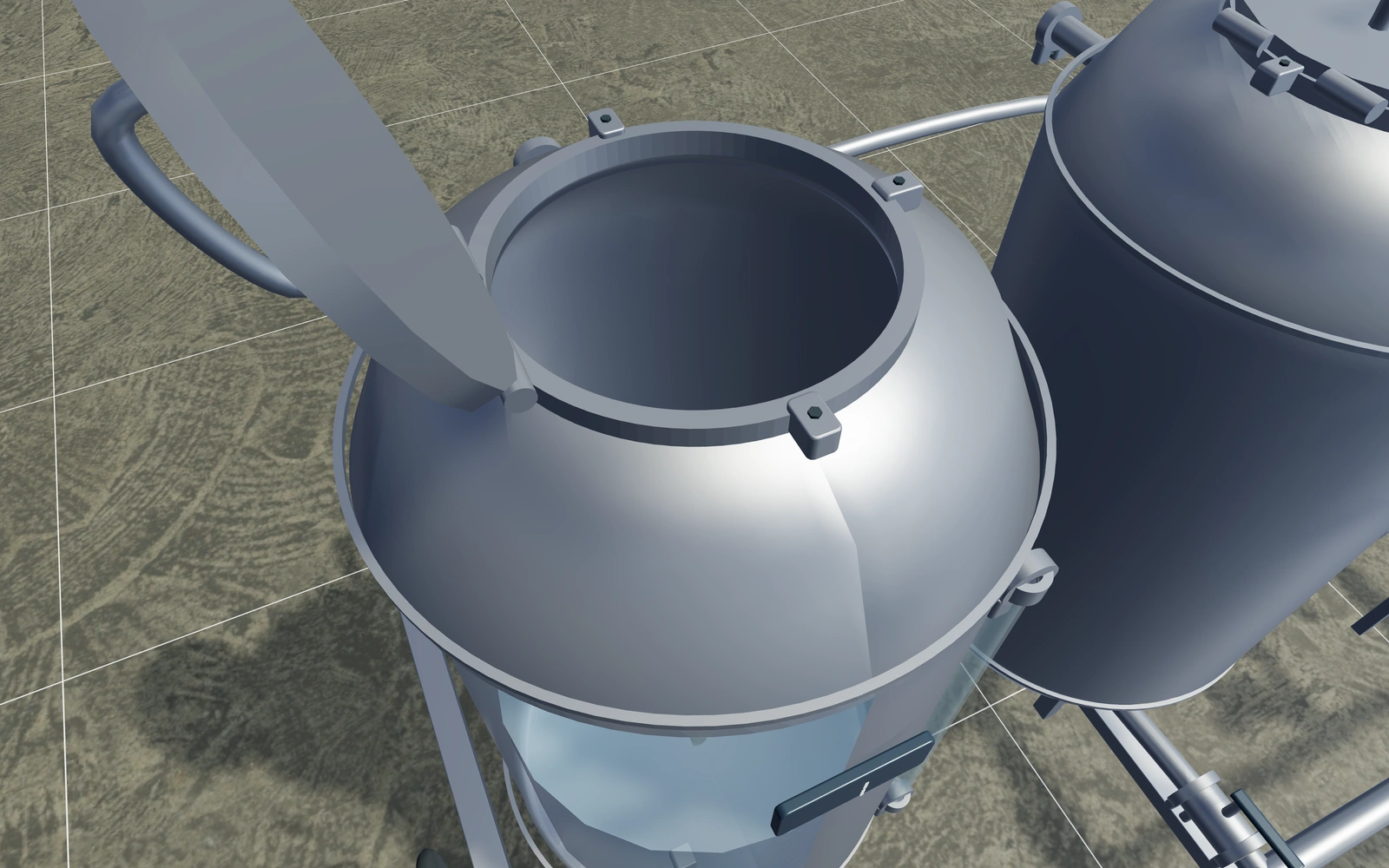
One tank or a multi-tank arrangement?
Compare tank count alongside pump, exchanger and connection positions. More vessels change the layout and service conversation without automatically proving a particular cleaning capability. Review manway and cabinet access before choosing supports or exterior appearance.
Organise tanks, pumps and connections as distinct choices
A one-tank and multi-tank arrangement should be compared with the actual process brief visible in the project. Plate-and-frame and tubular heat-exchanger references are separate from the pump package. Keep those components identifiable instead of treating the whole skid as one unspecified stainless assembly.
Castors and fixed adjustable feet describe different support preferences. Record control-interface appearance and service access with the selected arrangement. The proposal should distinguish the visual equipment package from cleaning-programme design, validation and the actual site connections required for the supplied system.
Mobile clean-in-place skid options to compare
Review the selected model before refining individual details. Available choices can change with the model and earlier selections; the groups below describe the current starting configuration.
Layout
- Tank modules
- 1–3 in the current model
Dimensions
- Tank outside diameter
- 550–900 mm in the current model
- Tank body height
- 900–1400 mm in the current model
- Skid depth
- 1200–1600 mm in the current model
Base
- Skid supports
- Grounded mobile castors
- Fixed adjustable feet
Hardware
- Skid handling rail
- Include or omit
- Tank sight-tube references
- Include or omit
- Tank identification markers
- Include or omit
Services
- Heat-exchanger appearance
- No exchanger reference
- Plate-and-frame reference
- Tubular reference
- Pump-package appearance
- Single circulation-pump reference
- Circulation and return-pump references
Accessories
- Return-hose storage
- Include or omit
Controls
- Control interface appearance
- Display and tactile keys
- Push-button reference panel
Materials
- Service cabinet accent
- Deep blue
- Sage green
- Warm ochre
- Warm white
- Anthracite
- Tank and pipe finish
- Brushed stainless appearance
- Polished stainless appearance
Dimension ranges describe the current model controls. Confirm the selected product, final measurements and supplied specification with the manufacturer.
Worked example: a customer brief for mobile clean-in-place skid
For a plant-service enquiry, save the preferred skid arrangement and record the actual connection points. Identify selected tanks, pumps and accessories on the proposal, with process design and operating requirements assigned to the responsible specialist.
From mobile clean-in-place skid choices to a clear proposal
Describe the selected equipment arrangement and connection requirements on the proposal. Actual cleaning processes, temperatures, chemicals, capacities and hygienic performance must be established by the responsible process specialist. The visual planner supports a clear equipment conversation rather than validating a cleaning programme.
Questions for your mobile clean-in-place skid review
- Tank arrangement
- Plant connection points
- Service access
- Process-specialist requirements
Useful views for the mobile clean-in-place skid review
Use these inspection views to discuss the arrangement and visible details before approving the specification.
- Open manway, formed tank and level reference
- Pump, sanitary clamps and service connections
- Tank outlet, sanitary clamps and valve handles
Mobile clean-in-place skid configurator FAQs
Does the model validate a cleaning programme?
No. Actual chemicals, temperatures, capacity and hygienic performance need process-specialist and equipment-supplier confirmation.
What should a CIP enquiry include besides the tank arrangement?
Record the actual process connections, cleaning requirements and service access. Identify the selected tanks, pumps and fittings as a visual equipment brief. Keep programme design and validation with the responsible process team rather than inferring a cleaning result from the skid layout.
Put the choices
in the same view.
Explore the mobile clean-in-place skid configurator, review the available product options and discuss your own range with our team.