
Livestock water trough configurator: review the service chamber beside the drinking area
A water-trough configuration should make the basin and the service components equally understandable. The customer needs to discuss where the float valve, drain and supply connections can be accessed in the actual yard.
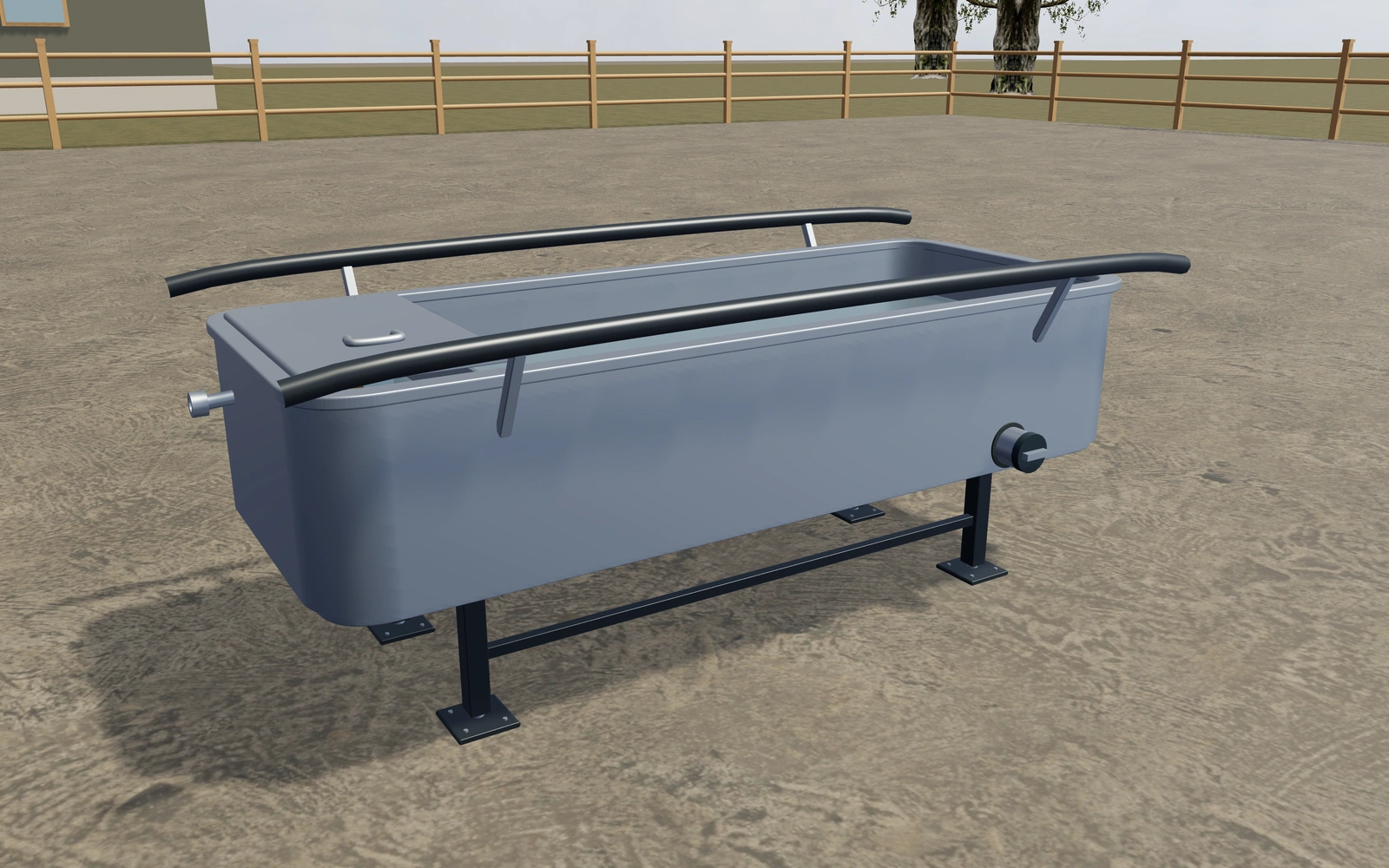
Review the service chamber beside the drinking area
Compare the basin profile, material appearance and supports before choosing protective fittings. Open the service cover and inspect the drain position. Record the intended installation area and the operator’s cleaning and maintenance process alongside the visual selection.
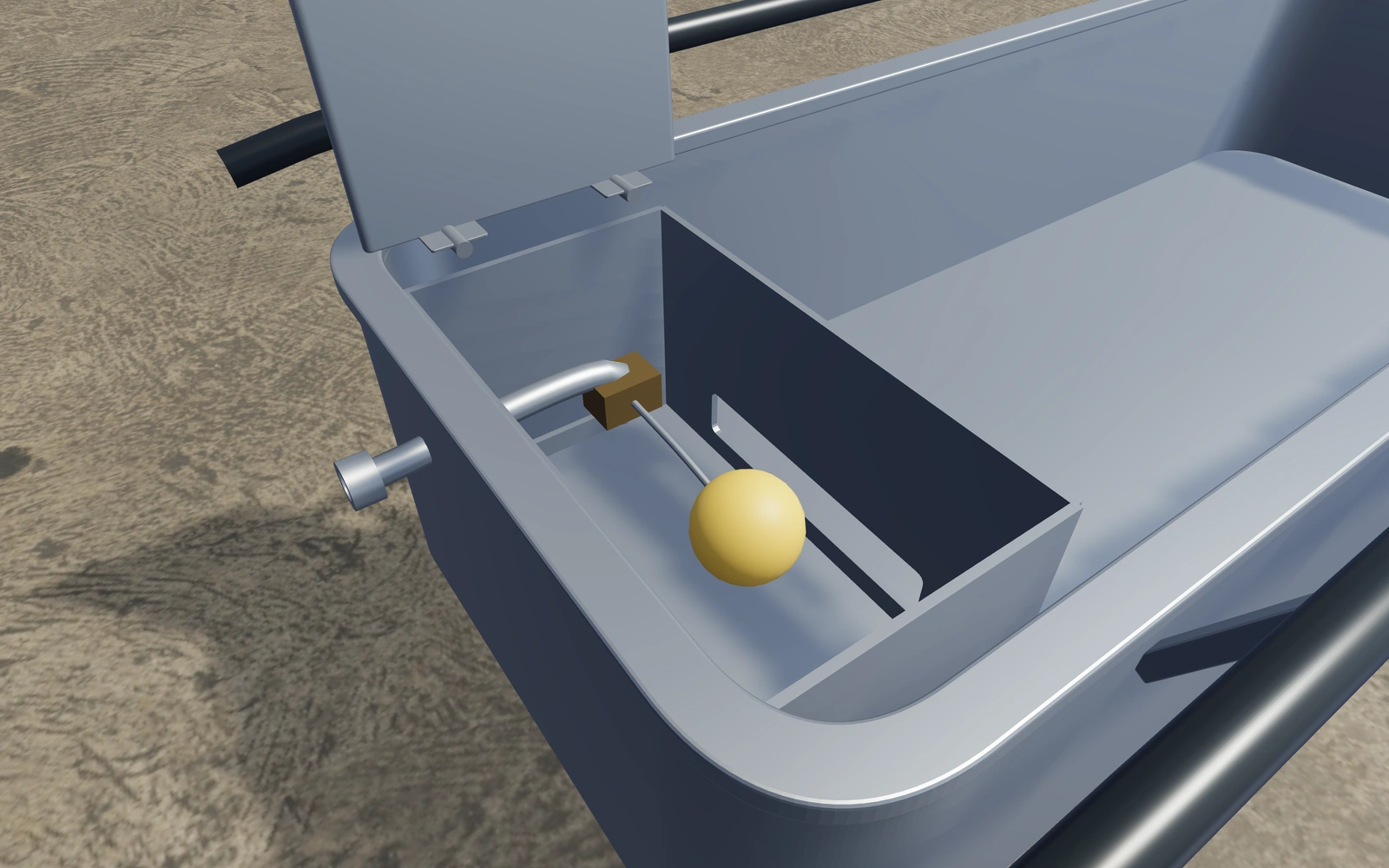
A different basin profile or better service access?
Compare rectangular and oval appearances alongside supports and protection fittings. Then inspect the float chamber and drain from the service side. The basin’s shape is not enough to agree water supply, operating capacity or cleaning arrangements for the actual yard.
Keep the service fittings visible when choosing the basin
Compare the basin profile with the float cover, connection and drain accessible. A long overall view can hide those fittings, so use a closer service-side view as well. Retain the actual site and livestock-use requirements before settling only on the exterior finish.
Record the selected fittings separately from the trough body. Keep any actual volume, flow and installation specification with the supplier rather than calculating it from the visual scene. The customer should be able to identify both the preferred basin and how its service requirements will be reviewed.
Livestock water troughs options to compare
Review the selected model before refining individual details. Available choices can change with the model and earlier selections; the groups below describe the current starting configuration.
Layout
- Basin form
- Rounded rectangular trough
- Oval stock-water basin
Dimensions
- Overall trough length
- 1200–3200 mm in the current model
- Overall trough width
- 600–1200 mm in the current model
- Basin rim height
- 550–1000 mm in the current model
- Basin internal depth
- 250–580 mm in the current model
- Basin wall thickness
- 20–100 mm in the current model
Materials
- Basin construction
- Stainless steel
- Moulded polymer
- Precast concrete appearance
Base
- Ground support
- Adjustable metal leg frame
- Continuous support plinth
Accessories
- External protection rail
- Include or omit
- Small-animal escape ramp
- Include or omit
Interior
- Central drinking divider
- Include or omit
- Water depth as basin percentage
- 15–85 % in the current model
Plumbing
- Float chamber position
- Left end
- Right end
- Float valve and supply assembly
- Include or omit
- Protective float chamber cover
- Include or omit
- Cleanout drain fitting
- Include or omit
- Cleanout location
- Front side
- Opposite end
Construction
- Outer insulated jacket appearance
- Include or omit
Dimension ranges describe the current model controls. Confirm the selected product, final measurements and supplied specification with the manufacturer.
Worked example: a customer brief for livestock water troughs
For a replacement trough, save the selected basin and record supply and drain positions. List the chosen fittings in the proposal, with actual dimensions, maintenance requirements and intended animal use confirmed with the supplier.
From livestock water troughs choices to a clear proposal
Keep the selected trough and accessories identifiable in the proposal. Water supply, actual capacity, installation and suitability for the intended animals should be confirmed with the relevant supplier. The model helps communicate an equipment arrangement without determining the site’s water-management requirements.
Questions for your livestock water troughs review
- Basin profile
- Float-chamber access
- Drain location
- Supply and maintenance requirements
Useful views for the livestock water troughs review
Use these inspection views to discuss the arrangement and visible details before approving the specification.
- Float valve, chamber and service cover
- Basin finish, waterline and rounded rim
- Cleanout drain and support hardware
Livestock water troughs configurator FAQs
Why inspect the float cover and drain?
They make servicing and cleaning questions visible before supply. Keep the actual access and maintenance requirements with the equipment specification.
What should I retain for the trough supplier?
Include the intended livestock use, actual location, water connection and service access. Review the float cover and drain separately from the basin profile. Keep the supplied capacity and fitting specification explicit so the customer’s selected appearance does not replace the operating requirements.
Put the choices
in the same view.
Explore the livestock water troughs configurator, review the available product options and discuss your own range with our team.