
Livestock handling race configurator: discuss the animal route and the operator route separately
A livestock-handling race needs a configuration conversation that distinguishes the path through the equipment from the space used by operators. A clear visual arrangement can help the customer explain both.
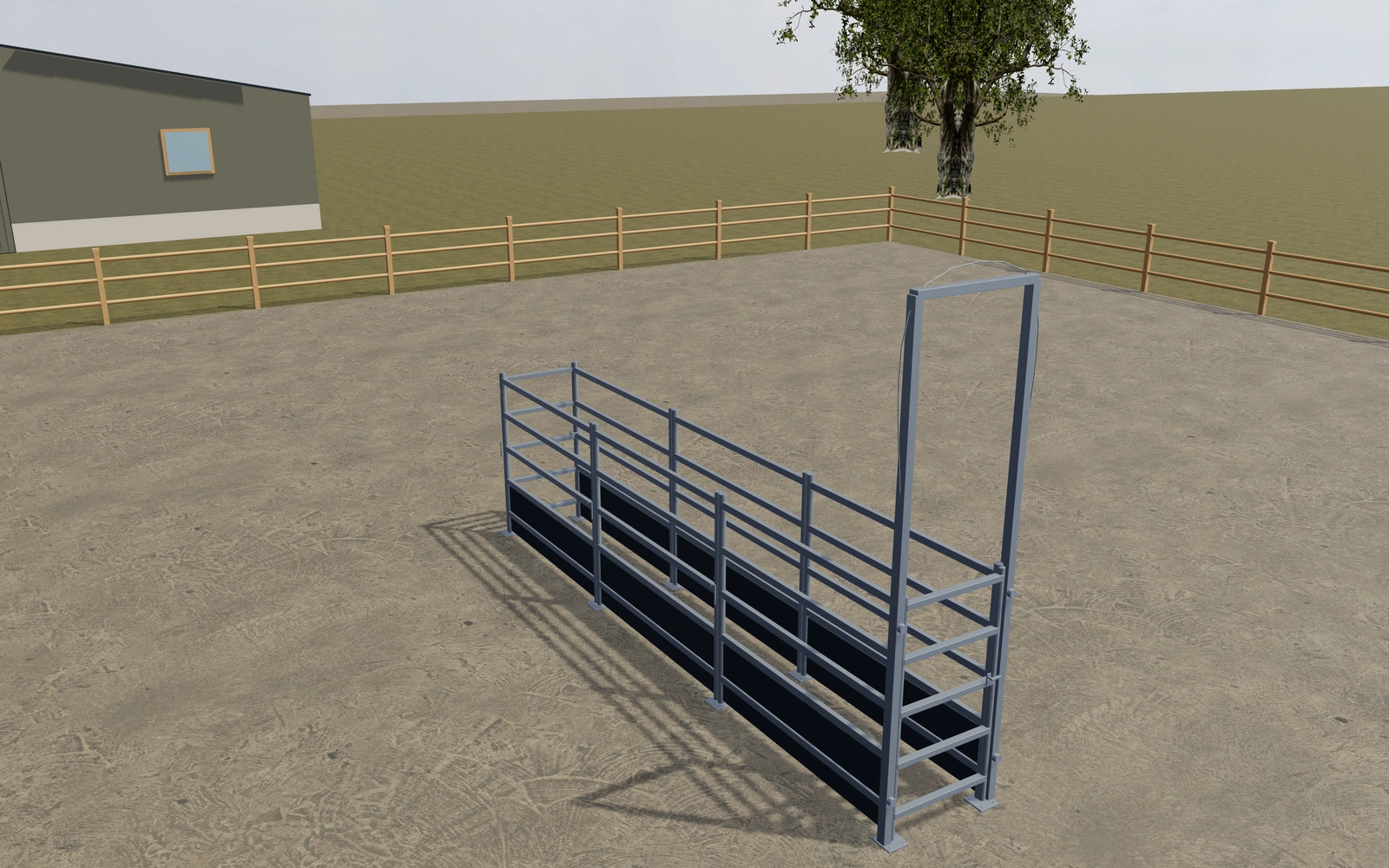
Discuss the animal route and the operator route separately
Compare the selected race layout and gate positions from above, then inspect the access points at ground level. Ask which existing yards or equipment the system must connect to. Keep the customer’s handling process and measured site constraints with the configuration.
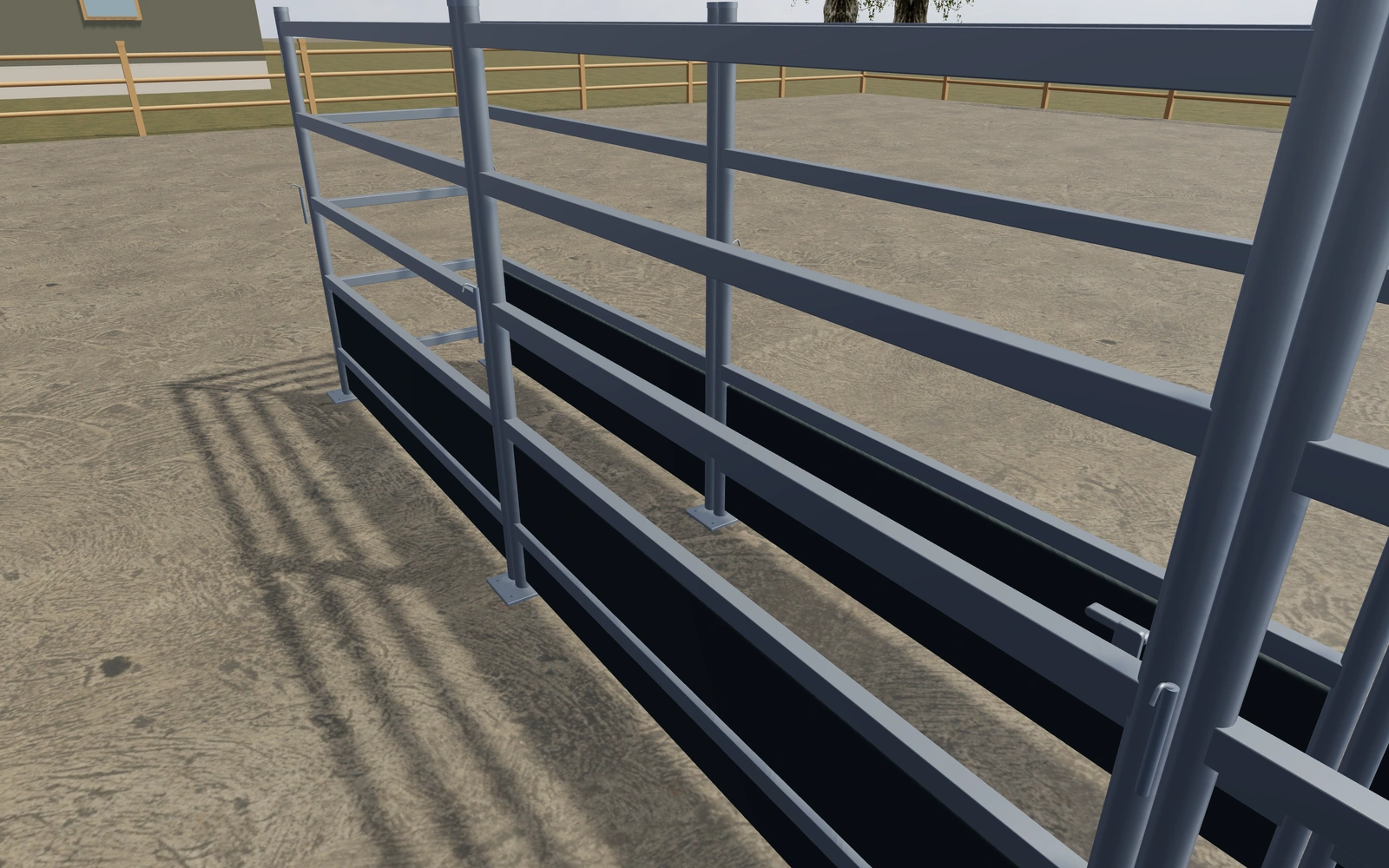
A different gate layout or a clearer operator route?
Review the path through the equipment separately from the space used by staff. An overhead comparison helps locate gates and existing-yard interfaces; a ground-level view helps discuss access. Keep the actual handling process attached to the project rather than deriving it from the visual arrangement.
Review gates as a sequence through the layout
The useful comparison follows the intended route through the race, including where gates open and where operators work. Keep those positions with the selected partitions and fittings. A gate-state preview can explain a preference without becoming a prescribed handling procedure.
Record actual site constraints and the intended livestock use before refining finishes. Name the selected gates and equipment individually so the supplier can review the whole sequence. Keep installation and suitability assessment separate from the visual count of panels or the apparent space around reference animals.
Livestock handling races options to compare
Review the selected model before refining individual details. Available choices can change with the model and earlier selections; the groups below describe the current starting configuration.
Layout
- Race alignment
- Straight race
- Segmented curved race
Dimensions
- Length per section
- 1600–2400 mm in the current model
- Clear race width
- 650–1000 mm in the current model
- Panel height
- 1500–2000 mm in the current model
Panels
- Horizontal rail count
- 4–7 in the current model
- Solid lower panel height
- 250–750 mm in the current model
- Lower panel material
- Dark polymer panels
- Matching metal sheet
- Open lower rails
- Rail section
- Rounded rectangular rails
- Round tubular rails
Materials
- Panel and gate finish
- Galvanized appearance
- Anthracite
- Deep blue
- Sage
Base
- Non-slip race floor
- Include or omit
Hardware
- Removable panel connection pins
- Include or omit
Gates
- Exit gate
- Vertical sliding gate
- Side-hinged exit gate
- Rear entry gate
- Include or omit
- Side drafting exit
- Include or omit
- Side access hinge
- Left side
- Right side
Dimension ranges describe the current model controls. Confirm the selected product, final measurements and supplied specification with the manufacturer.
Worked example: a customer brief for livestock handling races
For a yard extension, save the preferred race and gate layout with the measured connection points. List the equipment arrangement on the proposal and retain the operator’s use requirements for specialist supplier review.
From livestock handling races choices to a clear proposal
Describe the agreed equipment arrangement on the proposal and identify the interfaces that need supplier confirmation. The model supports the discussion but does not determine suitability for a particular animal group or operating procedure. Those requirements should be reviewed with the equipment specialist before the final order.
Questions for your livestock handling races review
- Animal route
- Operator access
- Gate positions
- Existing yard connections
Useful views for the livestock handling races review
Use these inspection views to discuss the arrangement and visible details before approving the specification.
- Selected side access gate and latch
- End gate and guide hardware
- Panel pins, feet and lower rails
Livestock handling races configurator FAQs
Can the preview determine a safe handling procedure?
No. It supports an equipment-layout discussion. Suitability and operating procedures require the responsible livestock operator and equipment specialist.
What should a handling-race layout discussion include?
Record the intended gate sequence, operator positions and the actual site route. Compare alternative layouts without inventing an operating procedure from the animation. Have the responsible livestock and equipment specialists review the supplied arrangement and its suitability for the intended use.
Put the choices
in the same view.
Explore the livestock handling races configurator, review the available product options and discuss your own range with our team.